

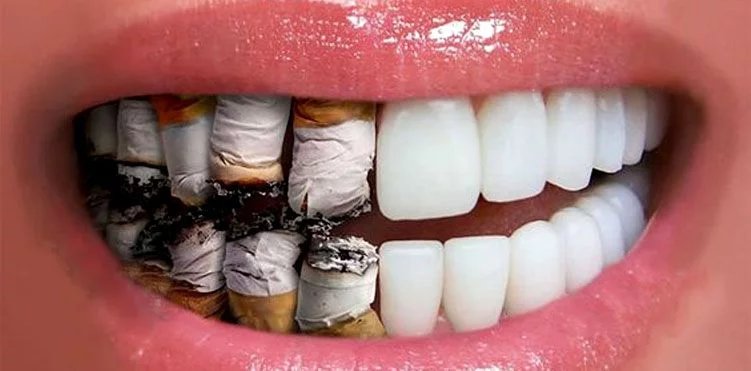
Smoking is widely known for its harmful effects on the lungs and heart, but many people overlook how seriously it damages oral health. The mouth is the first area exposed to tobacco smoke, making teeth, gums, tongue, and oral tissues highly vulnerable to long-term damage. From stained teeth and bad breath to gum disease and oral cancer, smoking silently affects nearly every part of the mouth.
Understanding the hidden risks of smoking on oral health can help individuals make informed decisions and take preventive steps to protect their smile and overall well-being.
How Smoking Affects the Mouth
When tobacco smoke enters the mouth, it introduces thousands of harmful chemicals, including nicotine, tar, and carbon monoxide. These substances reduce oxygen levels in the bloodstream and weaken the body’s ability to fight infection.
Smoking impacts oral health by:
- Reducing blood flow to gums
- Slowing healing processes
- Increasing bacterial growth
- Weakening immune response
As a result, smokers often experience more severe dental problems compared to non-smokers.
The Connection Between Smoking and Gum Disease
What Is Gum Disease?
Gum disease, also known as periodontal disease, is an infection of the tissues that support teeth. It begins with plaque buildup and can progress to severe bone loss if untreated.
Why Smokers Are at Higher Risk
Smoking is one of the leading causes of gum disease because nicotine restricts blood circulation in gum tissues. This makes it harder for gums to receive nutrients and fight infection.
Common signs include:
- Bleeding gums
- Swollen or red gums
- Persistent bad breath
- Loose teeth
- Gum recession
Interestingly, smokers may notice less bleeding because reduced blood flow masks early warning signs, allowing disease to progress unnoticed.
Tooth Discoloration and Staining
One of the most visible effects of smoking is tooth discoloration. Tobacco contains tar and nicotine that easily stick to enamel surfaces.
How Staining Happens
Nicotine turns yellow when exposed to oxygen, while tar creates dark brown stains. Over time, these substances penetrate enamel, making stains difficult to remove with regular brushing.
Professional dental cleaning or whitening treatments may help, but continued smoking quickly causes stains to return.
Smoking and Bad Breath (Halitosis)
Chronic bad breath is common among smokers due to:
- Dry mouth caused by reduced saliva production
- Accumulation of bacteria
- Tobacco residue lingering in oral tissues
Saliva normally cleans the mouth naturally, but smoking disrupts this protective mechanism, allowing odor-causing bacteria to thrive.
Increased Risk of Oral Cancer
A Serious Hidden Danger
Smoking significantly increases the risk of oral cancer affecting the lips, tongue, cheeks, throat, and floor of the mouth. Tobacco chemicals damage cells and cause abnormal growth over time.
Warning signs may include:
- Persistent mouth sores
- White or red patches
- Difficulty swallowing
- Numbness in oral tissues
- Unexplained bleeding
Early detection is critical, which is why regular dental checkups are essential for smokers.
Delayed Healing After Dental Treatments
Smokers often experience slower recovery after dental procedures such as:
- Tooth extractions
- Gum surgeries
- Dental implants
- Root canal treatments
Nicotine reduces oxygen supply and interferes with tissue regeneration, increasing the risk of infection and treatment failure. Dental implants, in particular, have lower success rates among smokers.
Smoking and Tooth Loss
Long-term smoking weakens the structures supporting teeth. As gum disease progresses, bone and tissue begin to deteriorate, eventually leading to tooth mobility and loss.
Studies consistently show that smokers are significantly more likely to lose teeth compared to non-smokers due to advanced periodontal disease.
Effects of Smoking on Saliva and Dry Mouth
Saliva plays an important role in neutralizing acids and washing away bacteria. Smoking reduces saliva production, leading to dry mouth (xerostomia).
Dry mouth can cause:
- Increased cavities
- Mouth infections
- Difficulty chewing or speaking
- Burning sensation in the mouth
Without enough saliva, teeth become more vulnerable to decay.
E-Cigarettes and Oral Health: Are They Safer?
Many people assume vaping is harmless, but research suggests e-cigarettes still pose risks to oral health.
Potential effects include:
- Gum inflammation
- Dry mouth
- Increased bacterial imbalance
- Irritation of oral tissues
Although vaping may contain fewer toxins than traditional cigarettes, it is not risk-free for dental health.
How to Protect Your Oral Health If You Smoke
While quitting smoking is the best solution, smokers can still reduce damage by improving oral care habits.
Recommended Practices
- Brush teeth twice daily using fluoride toothpaste
- Floss regularly to remove plaque between teeth
- Use antibacterial mouthwash
- Stay hydrated to combat dry mouth
- Schedule dental cleanings every six months
- Inform your dentist about smoking habits
These steps cannot fully eliminate risks but can help minimize complications.
Benefits of Quitting Smoking for Oral Health
The mouth begins healing surprisingly quickly after quitting smoking.
Short-Term Benefits
- Improved breath
- Better taste and smell
- Reduced gum inflammation
Long-Term Benefits
- Lower risk of gum disease
- Reduced oral cancer risk
- Improved treatment success rates
- Healthier gums and stronger teeth
Even long-term smokers can experience significant oral health improvements after quitting.
Role of Dentists in Supporting Smoking Cessation
Dentists play an important role in helping patients quit smoking by:
- Detecting early signs of damage
- Providing oral cancer screenings
- Offering counseling and guidance
- Recommending cessation programs
Regular dental visits create opportunities for early intervention and prevention.
Conclusion
Smoking has serious and often hidden effects on oral health, impacting gums, teeth, saliva, healing ability, and even increasing the risk of oral cancer. While cosmetic problems like staining and bad breath are noticeable, the most dangerous damage often occurs silently beneath the surface.
Understanding these risks highlights the importance of proper oral hygiene, regular dental checkups, and ultimately quitting smoking. Protecting your oral health not only preserves your smile but also contributes to overall physical health and quality of life.
FAQs
1. Does smoking always cause gum disease?
Not everyone who smokes develops gum disease, but smoking greatly increases the risk and makes treatment less effective.
2. Can dental cleaning remove smoking stains completely?
Professional cleaning can reduce surface stains, but deep discoloration may require whitening treatments, and stains often return if smoking continues.
3. How soon does oral health improve after quitting smoking?
Improvements can begin within a few weeks, with better gum health, fresher breath, and reduced inflammation appearing relatively quickly after quitting.