

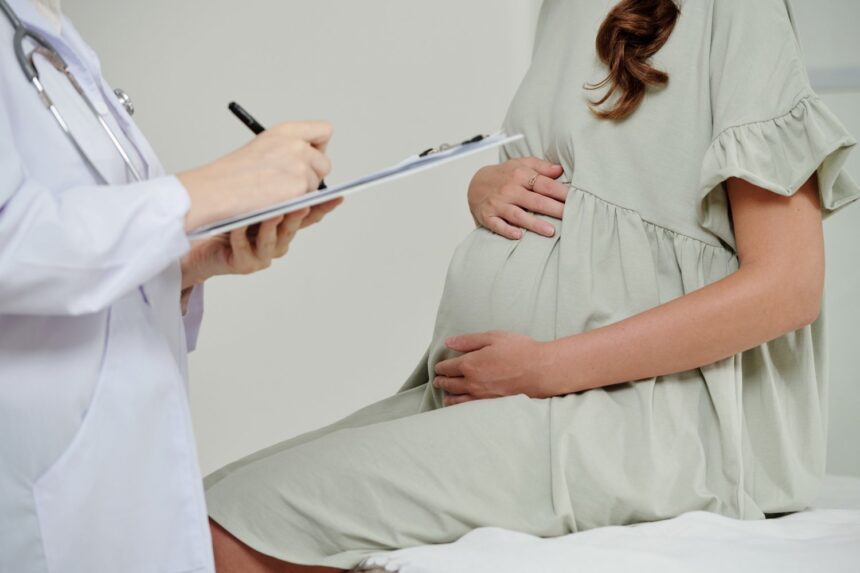
Pregnancy is one of the most exciting and life-changing experiences in a woman’s life, especially for first-time mothers. Along with joy and anticipation, pregnancy also brings physical, emotional, and lifestyle changes that can feel overwhelming. Proper care, healthy habits, and the right knowledge help ensure a safe pregnancy and healthy baby development.
This detailed guide provides practical and easy-to-follow pregnancy health tips for first-time mothers, covering nutrition, physical care, emotional wellness, medical checkups, and preparation for childbirth.
Understanding Pregnancy: What First-Time Mothers Should Expect
Pregnancy typically lasts about 40 weeks and is divided into three trimesters. Each trimester comes with different developmental stages for the baby and unique changes in the mother’s body.
The Three Trimesters Explained
| Trimester | Duration | Major Changes |
|---|---|---|
| First Trimester | Week 1–12 | Hormonal changes, nausea, fatigue |
| Second Trimester | Week 13–27 | Increased energy, baby growth visible |
| Third Trimester | Week 28–40 | Weight gain, preparation for delivery |
Understanding these stages helps mothers feel more confident and prepared.
Importance of Regular Prenatal Care
Prenatal care is essential for monitoring both mother and baby’s health throughout pregnancy.
Why Prenatal Visits Matter
Regular checkups help doctors:
- Track baby’s growth and heartbeat
- Monitor blood pressure and weight
- Detect complications early
- Provide nutritional and lifestyle guidance
First-time mothers should schedule their first prenatal visit as soon as pregnancy is confirmed.
Healthy Nutrition During Pregnancy
Nutrition plays a critical role in fetal development and maternal health. Eating balanced meals ensures proper growth and reduces pregnancy complications.
Essential Nutrients for Pregnant Women
Folic Acid
Supports brain and spinal cord development and reduces birth defects.
Iron
Prevents anemia and supports oxygen supply to the baby.
Calcium
Strengthens bones and teeth for both mother and baby.
Protein
Helps tissue growth and baby development.
Omega-3 Fatty Acids
Support brain and eye development.
Foods to Include
- Fresh fruits and vegetables
- Whole grains
- Dairy products
- Lean proteins like eggs, beans, and fish
- Nuts and seeds
Foods to Avoid
- Raw or undercooked meat
- Unpasteurized dairy products
- Excess caffeine
- Alcohol and smoking
Staying Physically Active Safely
Exercise during pregnancy improves circulation, reduces stress, and prepares the body for labor.
Safe Exercises for First-Time Mothers
- Walking
- Prenatal yoga
- Stretching exercises
- Light swimming
Always consult a healthcare provider before starting any exercise routine.
Benefits of safe physical activity include:
- Reduced back pain
- Better sleep quality
- Improved mood
- Easier labor and recovery
Managing Common Pregnancy Symptoms
First-time mothers often experience new physical sensations that may cause concern but are usually normal.
Morning Sickness
Eat small frequent meals and avoid strong smells.
Fatigue
Rest frequently and maintain a balanced diet.
Back Pain
Maintain proper posture and use supportive pillows.
Swelling
Stay hydrated and avoid standing for long periods.
If symptoms become severe, medical advice should be sought immediately.
Mental and Emotional Health During Pregnancy
Hormonal changes can affect emotions, causing mood swings, anxiety, or stress. Emotional well-being is just as important as physical health.
Ways to Support Mental Wellness
- Practice relaxation techniques
- Talk openly with family or partner
- Join pregnancy support groups
- Maintain a healthy sleep routine
- Limit stress and overwork
Positive mental health contributes to a healthier pregnancy experience.
Importance of Proper Sleep and Rest
As the body works harder during pregnancy, adequate rest becomes essential.
Sleep Tips for Pregnant Women
- Sleep on the left side for better circulation
- Use pregnancy pillows for support
- Maintain a consistent bedtime routine
- Avoid heavy meals before sleep
Good sleep supports hormone balance and energy levels.
Maintaining Personal Hygiene and Safety
Proper hygiene helps prevent infections during pregnancy.
Healthy habits include:
- Washing hands frequently
- Wearing comfortable breathable clothing
- Maintaining oral hygiene
- Avoiding exposure to harmful chemicals
- Practicing safe food handling
Safety precautions protect both mother and baby.
Preparing for Labor and Delivery
Preparation reduces fear and builds confidence for childbirth.
Steps to Prepare
- Attend prenatal or childbirth classes
- Learn breathing techniques
- Pack a hospital bag early
- Discuss birth plans with healthcare providers
- Understand signs of labor
Knowledge helps first-time mothers approach delivery with calmness and confidence.
Warning Signs That Require Medical Attention
Certain symptoms should never be ignored during pregnancy.
Seek medical help if you experience:
- Severe abdominal pain
- Heavy bleeding
- Persistent headaches
- Sudden swelling of face or hands
- Reduced baby movement (later pregnancy)
- High fever
Early medical care can prevent complications.
Building a Strong Support System
Support from family, friends, and healthcare professionals plays a vital role in pregnancy health.
A supportive environment helps mothers:
- Reduce stress
- Stay emotionally stable
- Gain helpful advice
- Feel confident during motherhood transition
Never hesitate to ask for help when needed.
Conclusion
Pregnancy is a beautiful journey filled with growth, learning, and transformation, especially for first-time mothers. By focusing on proper nutrition, regular prenatal care, safe physical activity, emotional wellness, and adequate rest, mothers can create a healthy environment for their baby’s development.
Every pregnancy experience is unique, but informed decisions and healthy lifestyle choices greatly increase the chances of a smooth pregnancy and safe delivery. Listening to your body, seeking medical guidance, and maintaining a positive mindset are key steps toward a joyful motherhood journey.
FAQs
1. When should a first-time mother visit a doctor during pregnancy?
A doctor should be visited as soon as pregnancy is confirmed, followed by regular prenatal checkups throughout pregnancy.
2. Is exercise safe during pregnancy?
Yes, light and doctor-approved exercises such as walking and prenatal yoga are generally safe and beneficial.
3. How much weight gain is normal during pregnancy?
Healthy weight gain varies but typically ranges between 11–16 kg depending on pre-pregnancy body weight and medical guidance.