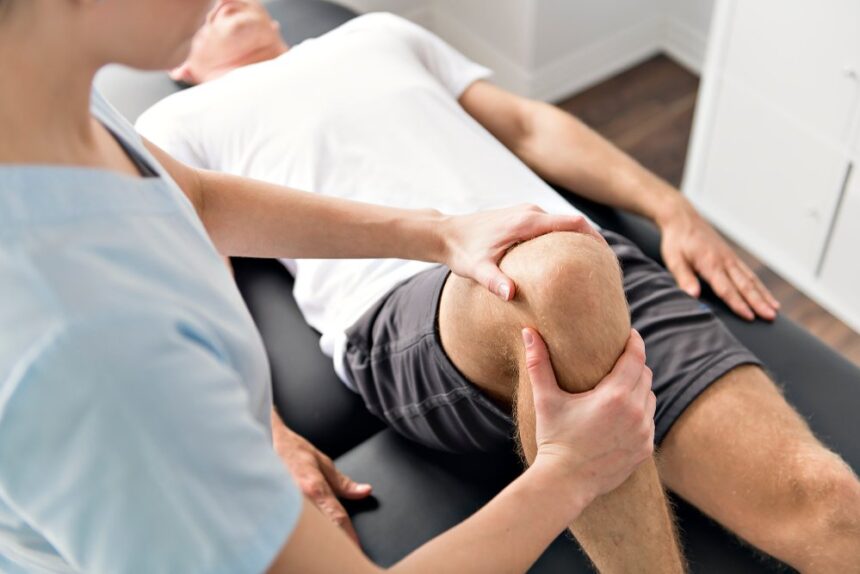
Pain can affect every aspect of daily life, from simple movements like walking and sitting to sleep quality and emotional well-being. While medications may temporarily reduce discomfort, they often do not address the underlying cause of pain. Physical therapy offers a natural, long-term solution by improving movement, strengthening muscles, and restoring body function. Understanding how physical therapy helps in pain management can empower individuals to recover safely and prevent recurring pain.
What Is Physical Therapy?
Physical therapy is a healthcare treatment that focuses on restoring mobility, reducing pain, and improving physical function through targeted exercises, manual techniques, and therapeutic methods. Licensed physical therapists evaluate a patient’s condition and create personalized treatment plans based on their specific needs.
Physical therapy is commonly used for:
- Back and neck pain
- Joint injuries
- Muscle strains
- Post-surgical recovery
- Sports injuries
- Chronic pain conditions
Rather than masking symptoms, physical therapy works to correct movement problems that cause pain.
The Role of Physical Therapy in Pain Management
Pain often occurs due to muscle imbalance, poor posture, injury, or reduced mobility. Physical therapy addresses these issues directly.
Treating the Root Cause of Pain
Instead of only reducing discomfort, physical therapists identify underlying problems such as weak muscles, limited flexibility, or joint dysfunction. Treatment focuses on correcting these issues to achieve long-term relief.
Reducing Dependency on Medication
Many patients experience significant improvement through therapy exercises and techniques, reducing the need for painkillers and minimizing potential side effects.
Assessment and Personalized Treatment Plans
A major advantage of physical therapy is individualized care.
Initial Evaluation
During the first session, a therapist typically assesses:
- Range of motion
- Muscle strength
- Posture and alignment
- Walking pattern (gait)
- Pain triggers and daily habits
This detailed evaluation helps design a customized plan tailored to recovery goals.
Goal-Oriented Therapy
Treatment plans may focus on:
- Pain reduction
- Improved mobility
- Injury prevention
- Functional independence
Personalized programs ensure safer and more effective outcomes.
Therapeutic Exercises for Pain Relief
Exercise is one of the most powerful tools in physical therapy.
How Exercises Reduce Pain
Targeted movements strengthen supportive muscles and improve flexibility, reducing stress on joints and nerves.
Common Exercise Types
Stretching Exercises
Stretching reduces muscle tightness and improves flexibility, helping relieve stiffness and discomfort.
Strengthening Exercises
These exercises stabilize joints and support the spine, preventing recurring pain.
Range-of-Motion Exercises
Gentle movements restore normal joint function and reduce stiffness after injury or inactivity.
Regular exercise gradually retrains the body to move without pain.
Manual Therapy Techniques
Manual therapy involves hands-on techniques performed by a physical therapist.
Types of Manual Therapy
- Joint mobilization to improve movement
- Soft tissue massage to reduce tension
- Muscle release techniques for tight areas
These methods improve circulation, decrease inflammation, and promote natural healing.
Posture Correction and Body Mechanics Training
Poor posture is a leading cause of chronic pain, especially in the neck, shoulders, and lower back.
Postural Education
Physical therapists teach patients how to:
- Sit and stand correctly
- Lift objects safely
- Maintain spinal alignment
- Adjust workstations ergonomically
Correct body mechanics reduce strain and prevent future injuries.
Pain Relief Modalities Used in Physical Therapy
Physical therapy often combines exercises with therapeutic technologies.
Common Treatment Modalities
Heat Therapy
Relaxes muscles and improves blood flow.
Cold Therapy
Reduces inflammation and swelling.
Ultrasound Therapy
Uses sound waves to promote tissue healing.
Electrical Stimulation (TENS)
Helps block pain signals and stimulate muscles.
These techniques provide immediate relief while exercises build long-term strength.
Improving Mobility and Flexibility
Limited mobility often leads to stiffness and increased pain. Physical therapy focuses on restoring natural movement patterns.
Benefits of Improved Mobility
- Easier daily activities
- Reduced joint stress
- Better balance and coordination
- Lower injury risk
Gradual mobility training allows the body to function efficiently again.
Physical Therapy for Chronic Pain Conditions
Physical therapy is especially effective for long-term pain disorders.
Conditions Commonly Treated
- Chronic lower back pain
- Arthritis
- Sciatica
- Fibromyalgia
- Neck and shoulder pain
Therapists use pacing techniques and progressive exercises to help patients manage pain without overexertion.
Mental and Emotional Benefits of Physical Therapy
Pain is not only physical; it also affects mental health. Regular therapy sessions help rebuild confidence and reduce fear of movement.
Psychological Advantages
- Reduced stress and anxiety
- Improved mood through movement
- Increased independence
- Better sleep quality
Movement releases endorphins, which naturally reduce pain perception.
Preventing Future Injuries Through Physical Therapy
One of the greatest strengths of physical therapy is prevention.
Long-Term Prevention Strategies
Patients learn exercises and habits they can continue at home, including:
- Daily stretching routines
- Strength-building exercises
- Proper posture techniques
- Safe movement patterns
These strategies help maintain results even after therapy ends.
When Should You Consider Physical Therapy?
Physical therapy may be beneficial if you experience:
- Pain lasting longer than a few weeks
- Reduced mobility or stiffness
- Pain after injury or surgery
- Recurring muscle or joint discomfort
- Difficulty performing daily activities
Early treatment often leads to faster recovery.
Conclusion
Physical therapy plays a vital role in effective pain management by addressing the root causes of discomfort rather than simply masking symptoms. Through personalized exercises, manual therapy, posture correction, and therapeutic techniques, physical therapy helps restore mobility, strengthen the body, and improve overall quality of life. Whether dealing with acute injuries or chronic pain conditions, consistent physical therapy can provide long-lasting relief and reduce the risk of future pain.
FAQs
1. How long does physical therapy take to reduce pain?
Many people notice improvement within a few sessions, but full recovery may take several weeks depending on the severity of the condition.
2. Is physical therapy painful?
Physical therapy may cause mild discomfort initially as muscles adapt, but treatments are designed to reduce pain, not worsen it.
3. Can physical therapy replace pain medication?
In many cases, physical therapy significantly reduces the need for medication by treating the underlying causes of pain naturally.