

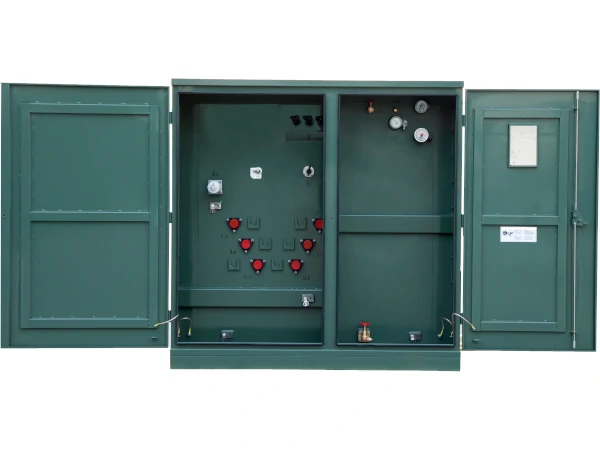
Grounding a transformer is one of the most important yet often misunderstood aspects of electrical power system design. Whether used in industrial facilities, commercial buildings, renewable energy installations, or utility networks, transformers must be properly grounded to ensure operational safety, equipment protection, and system stability. Without correct grounding practices, electrical faults can lead to equipment damage, dangerous voltage conditions, and significant downtime.
Grounding provides a controlled path for fault current to safely dissipate into the earth. It stabilizes system voltage, protects personnel, and allows protective devices to operate correctly during abnormal conditions. Understanding how and why grounding a transformer works helps engineers, technicians, and facility managers maintain reliable electrical infrastructure.
This article explains transformer grounding fundamentals, methods, benefits, design considerations, and best practices in a clear and practical way.
What Does Grounding a Transformer Mean?
Grounding a transformer refers to intentionally connecting part of the transformer’s electrical system usually the neutral point or metal enclosure—to earth ground. This connection establishes a reference voltage level and ensures excess electrical energy has a safe discharge path.
Transformers operate between different voltage levels, and without grounding, voltage can “float,” meaning it has no stable reference to earth potential. Floating systems increase the risk of insulation failure and unsafe touch voltages.
Grounding typically involves connecting:
- The transformer neutral point
- Transformer tank or enclosure
- System grounding conductors
- Protective grounding electrodes
These connections collectively improve system safety and performance.
Why Grounding a Transformer Is Necessary
Transformer grounding serves several critical electrical and safety purposes.
1. Personnel Safety
The primary purpose of grounding is protecting people from electric shock. If insulation fails or a fault occurs, grounding ensures dangerous voltages travel into the earth instead of energizing exposed metal surfaces.
Without grounding, touching equipment could result in severe injury or fatal shock.
2. Fault Current Path
Protective devices like circuit breakers and relays depend on sufficient fault current to detect problems.
Grounding provides a low-impedance path that allows:
- Fault detection systems to activate quickly
- Protective relays to isolate damaged circuits
- Electrical fires to be prevented
3. Voltage Stabilization
Electrical systems require a reference point. Grounding stabilizes phase voltages relative to earth, preventing unpredictable voltage swings caused by lightning or switching events.
4. Equipment Protection
Proper grounding reduces damage caused by:
- Lightning surges
- Switching transients
- Insulation stress
- Overvoltage conditions
Common Transformer Grounding Configurations
The method used for grounding a transformer depends on system requirements, fault current levels, and operational goals.
Solid Grounding
In solid grounding, the neutral point connects directly to earth without resistance.
Advantages:
- Simple design
- Fast fault clearing
- Effective protection coordination
Typical applications:
- Low-voltage distribution systems
- Commercial buildings
However, it allows high fault current levels, which may stress equipment.
Resistance Grounding
Resistance grounding inserts a resistor between neutral and earth to limit fault current.
This approach balances safety and equipment protection.
Benefits include:
- Reduced arc flash energy
- Controlled fault current
- Less equipment damage
Often used in industrial plants where continuity of service is important.
Reactance Grounding
Reactors are used instead of resistors to limit fault current using inductive reactance.
This method is less common but useful in specific medium-voltage systems.
Ungrounded Systems (Not Recommended Today)
Older installations sometimes operated without grounding. Modern standards discourage this because fault detection becomes difficult and overvoltages increase.
Grounding the Transformer Neutral
Most transformer grounding designs focus on the neutral point, particularly in:
- Wye-connected transformers
- Distribution transformers
- Generator step-up transformers
Grounding the neutral establishes system reference voltage and ensures symmetrical phase operation.
Neutral grounding also enables ground fault protection schemes to function accurately.
Grounding the Transformer Tank and Core
Besides electrical winding grounding, the transformer’s metal enclosure must also be grounded.
This prevents the tank from becoming energized due to internal faults or insulation breakdown.
Proper tank grounding:
- Eliminates touch potential risks
- Protects maintenance personnel
- Prevents stray voltage accumulation
Typically, grounding conductors connect the tank directly to the facility grounding grid.
Key Components Used in Transformer Grounding
Grounding systems involve multiple interconnected elements.
Grounding Electrode System
This includes:
- Ground rods
- Ground plates
- Ground grids
- Concrete-encased electrodes
These components physically connect electrical systems to earth.
Grounding Conductors
Conductors carry fault current safely from the transformer to ground electrodes.
They must be sized properly to handle expected fault current levels.
Neutral Grounding Resistor (NGR)
Used when limiting fault current is required, NGRs are common in industrial power systems.
They help maintain system operation while reducing damage risks.
How Grounding Improves System Reliability
Grounding a transformer is not only about safety—it directly improves reliability.
Faster Fault Detection
Grounded systems allow protective relays to detect abnormalities immediately.
Reduced Equipment Stress
Controlled fault currents prevent catastrophic failures.
Improved Power Quality
Grounding stabilizes voltage waveforms and reduces transient disturbances.
Design Considerations When Grounding a Transformer
Proper grounding requires engineering evaluation rather than a one-size-fits-all approach.
System Voltage Level
Higher voltage systems often require controlled grounding methods rather than solid grounding.
Fault Current Calculations
Engineers must calculate expected ground fault current before selecting grounding type.
Soil Resistivity
Grounding effectiveness depends heavily on soil conditions. High-resistance soil may require additional grounding electrodes.
Regulatory Standards
Design must comply with applicable electrical codes and standards such as:
- IEEE grounding guidelines
- IEC standards
- National electrical safety regulations
Common Mistakes in Transformer Grounding
Even experienced installations sometimes encounter grounding issues.
Improper Neutral Connection
Incorrect neutral grounding can cause nuisance tripping or unsafe voltages.
Undersized Ground Conductors
Conductors must withstand maximum fault current without overheating.
Poor Earth Resistance
High grounding resistance reduces effectiveness and increases hazard risk.
Multiple Neutral Grounds
Uncontrolled multiple grounding points may create circulating currents.
Testing and Maintenance of Grounded Transformers
Grounding systems require periodic inspection to remain effective.
Typical maintenance activities include:
- Ground resistance testing
- Visual inspection of connections
- Corrosion checks
- Continuity testing
Over time, soil conditions and corrosion can degrade grounding performance.
Grounding and Lightning Protection
Transformers are highly vulnerable to lightning strikes and switching surges.
A properly grounded transformer:
- Dissipates surge energy safely
- Prevents insulation breakdown
- Protects downstream equipment
Grounding works together with surge arresters to form a complete protection system.
Modern Trends in Transformer Grounding
As power systems evolve, grounding practices are also advancing.
Emerging trends include:
- Smart monitoring of grounding systems
- Digital protection relays
- Renewable energy grounding integration
- Arc flash risk reduction strategies
With distributed energy resources increasing, grounding design is becoming more critical than ever.
When Specialized Grounding Is Required
Some installations require advanced grounding solutions, including:
- Mining operations
- Data centers
- Renewable energy farms
- Petrochemical facilities
- Hospitals and critical infrastructure
These environments demand engineered grounding strategies tailored to operational risks.
Conclusion
Grounding a transformer is fundamental to electrical system safety, reliability, and performance. By creating a stable reference point and providing a controlled path for fault currents, grounding protects both equipment and human life. From solid grounding to resistance grounding methods, the right approach depends on system voltage, operational goals, and safety requirements.
Proper design, installation, and maintenance ensure that transformers operate efficiently while minimizing electrical hazards. As modern power systems become more complex, understanding and implementing effective transformer grounding practices remains essential for engineers and facility operators alike.