
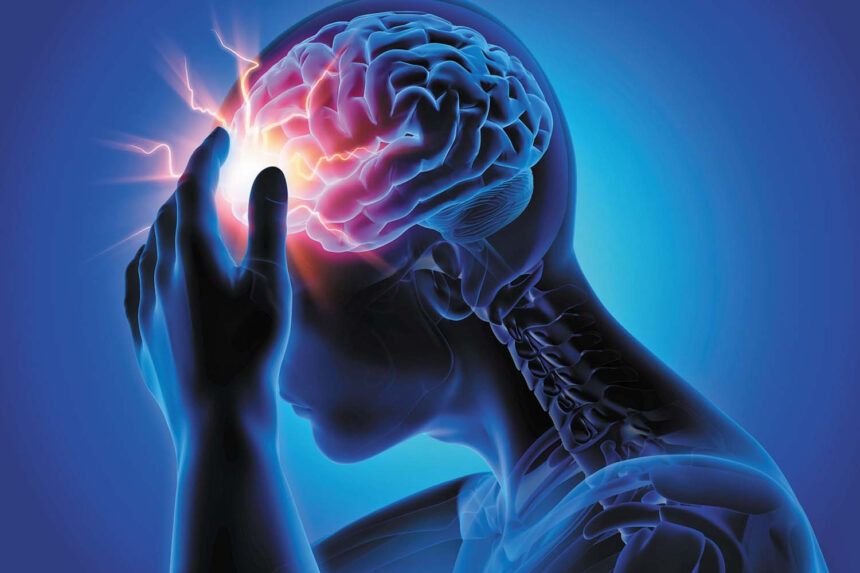
Headaches are one of the most common health complaints experienced by people worldwide. While many headaches are mild and temporary, others can be severe enough to disrupt daily activities, work performance, and sleep. Understanding the different types of headaches and how to manage them is essential for choosing the right treatment and preventing recurring pain.
This detailed guide explains the main headache types, their causes, symptoms, and effective management strategies.
What Is a Headache?
A headache refers to pain or discomfort in the head, scalp, or neck region. It occurs when pain-sensitive nerves, blood vessels, or muscles become irritated or inflamed. Headaches can vary in intensity, duration, and frequency depending on the underlying cause.
Headaches are generally divided into two main categories:
- Primary headaches, which are not caused by another medical condition
- Secondary headaches, which occur due to illness, injury, or other health problems
Understanding this difference helps in selecting appropriate treatment.
Tension Headaches
Overview
Tension headaches are the most common type. They often feel like a tight band around the head and usually develop due to stress or muscle tension.
Common Causes
- Stress and anxiety
- Poor posture
- Long screen time
- Eye strain
- Lack of sleep
Symptoms
- Mild to moderate dull pain
- Pressure around forehead or temples
- Neck and shoulder tightness
How to Manage Tension Headaches
Management focuses on relaxation and lifestyle adjustments:
- Practice stretching and posture correction
- Take regular breaks from screens
- Apply warm compresses to neck muscles
- Use relaxation techniques like deep breathing
- Maintain consistent sleep habits
Regular physical activity can significantly reduce frequency.
Migraine Headaches
Overview
Migraines are neurological headaches that cause intense, throbbing pain, often on one side of the head. They may last from hours to several days.
Common Triggers
- Hormonal changes
- Certain foods (chocolate, caffeine, processed foods)
- Bright lights or loud sounds
- Stress or emotional changes
- Lack of sleep
Symptoms
- Severe pulsating pain
- Nausea or vomiting
- Sensitivity to light and sound
- Visual disturbances (aura) in some cases
Management Strategies
Migraine relief often requires both prevention and treatment:
- Rest in a dark, quiet room
- Stay hydrated
- Identify and avoid triggers
- Maintain regular meal and sleep schedules
- Practice stress management techniques
Medical treatment may be necessary for frequent migraines.
Cluster Headaches
Overview
Cluster headaches are rare but extremely painful headaches that occur in cycles or clusters over weeks or months.
Symptoms
- Severe burning or piercing pain around one eye
- Red or watery eyes
- Nasal congestion
- Restlessness during attacks
Management
Cluster headaches usually require medical care. Management may include:
- Oxygen therapy prescribed by doctors
- Preventive medications
- Avoiding alcohol during cluster periods
Early diagnosis improves control of symptoms.
Sinus Headaches
Overview
Sinus headaches occur due to inflammation or infection in the sinuses.
Common Causes
- Sinus infections
- Allergies
- Cold or flu
Symptoms
- Pressure in forehead, cheeks, or nose
- Facial tenderness
- Nasal congestion
- Pain that worsens when bending forward
Management Tips
- Steam inhalation to clear sinuses
- Staying hydrated
- Warm compresses on face
- Treating underlying infection or allergies
Proper diagnosis is important because sinus headaches are often mistaken for migraines.
Cervicogenic Headaches (Neck-Related Headaches)
Overview
These headaches originate from problems in the neck and cervical spine.
Causes
- Poor posture
- Neck injuries
- Muscle stiffness
- Long sitting hours
Symptoms
- Pain starting in neck and spreading to head
- Limited neck movement
- Shoulder discomfort
Management
- Physical therapy exercises
- Posture correction
- Ergonomic workspace adjustments
- Neck stretching routines
Treating neck problems usually reduces headache frequency.
Rebound Headaches (Medication Overuse Headaches)
Overview
Rebound headaches occur when pain medications are used too frequently.
Symptoms
- Daily or frequent headaches
- Pain returning after medication wears off
Management
- Gradually reducing medication use under medical supervision
- Using alternative pain management methods
- Developing preventive strategies
Responsible medication use is essential to avoid this cycle.
General Lifestyle Strategies for Headache Management
Regardless of headache type, certain habits help prevent recurring pain.
Healthy Daily Practices
- Drink enough water throughout the day
- Maintain regular sleep patterns
- Exercise regularly
- Eat balanced meals on time
- Limit caffeine intake
- Manage stress effectively
Consistency in lifestyle routines plays a major role in prevention.
When to Seek Medical Attention
While most headaches are harmless, medical evaluation is necessary if headaches:
- Are sudden and extremely severe
- Occur after head injury
- Include vision problems or confusion
- Cause numbness or weakness
- Persist or worsen over time
These symptoms may indicate a serious underlying condition.
Conclusion
Headaches can vary greatly in type, cause, and severity, making proper understanding essential for effective management. From tension headaches caused by stress to migraines and sinus-related pain, each type requires a slightly different approach. By identifying triggers, improving lifestyle habits, maintaining proper posture, and seeking medical advice when necessary, most headaches can be successfully managed. Learning how to recognize and respond to different headache types empowers individuals to reduce pain and improve overall quality of life.
FAQs
1. What is the most common type of headache?
Tension headaches are the most common and are usually linked to stress, poor posture, and muscle tension.
2. How can I quickly relieve a headache naturally?
Resting in a quiet environment, drinking water, gentle stretching, and applying a warm or cold compress can help relieve mild headaches naturally.
3. When should headaches become a concern?
Headaches should be evaluated by a doctor if they are severe, frequent, sudden, or accompanied by neurological symptoms such as weakness or vision changes.