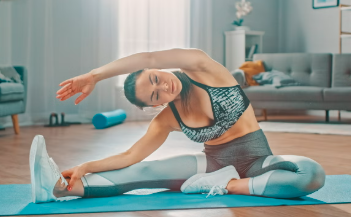
Physical activity plays a vital role in maintaining women’s overall health and well-being. Regular exercise not only improves physical strength and fitness but also supports hormonal balance, mental health, heart health, and long-term disease prevention. For women of all ages, choosing the right exercise routine helps build energy, confidence, and resilience while reducing health risks.
This complete guide explores the best exercise routines for women’s physical health, including strength training, cardio workouts, flexibility exercises, and lifestyle fitness habits that support lifelong wellness.
Why Exercise Is Essential for Women’s Health
Women experience unique biological and hormonal changes throughout life, including menstruation, pregnancy, and menopause. Exercise helps regulate these changes and supports overall body function.
Regular physical activity helps:
- Improve heart and lung health
- Maintain healthy weight
- Strengthen bones and muscles
- Reduce stress and anxiety
- Improve sleep quality
- Boost immunity and energy levels
Consistent exercise contributes to both physical and emotional balance.
Types of Exercise Every Woman Should Include
A balanced fitness routine includes different types of exercises that work together to improve total body health.
1. Cardiovascular (Cardio) Exercise
Cardio exercises increase heart rate and improve endurance. They help burn calories and reduce the risk of heart disease.
Examples of Cardio Workouts
- Brisk walking
- Jogging or running
- Cycling
- Swimming
- Dancing
- Skipping rope
Recommended Duration:
At least 150 minutes of moderate cardio per week.
Benefits include improved circulation, better stamina, and enhanced mood.
2. Strength Training Exercises
Strength training is especially important for women because it helps maintain muscle mass and prevents bone loss.
Benefits of Strength Training
- Improves metabolism
- Strengthens bones
- Enhances posture
- Reduces injury risk
- Supports hormonal balance
Beginner Strength Exercises
- Squats
- Lunges
- Push-ups
- Resistance band workouts
- Dumbbell exercises
Strength training should ideally be done 2–3 times per week.
3. Flexibility and Stretching Exercises
Flexibility exercises improve joint mobility and reduce muscle stiffness.
Common Flexibility Activities
- Stretching routines
- Yoga
- Pilates
Regular stretching helps prevent injuries and improves posture, especially for women with sedentary lifestyles.
4. Balance and Stability Training
Balance exercises become increasingly important with age because they reduce fall risk and improve coordination.
Examples include:
- Yoga poses
- Tai Chi
- Single-leg stands
- Core strengthening exercises
These exercises strengthen stabilizing muscles and enhance body control.
Weekly Exercise Plan for Women
Below is a simple balanced weekly routine suitable for most beginners.
| Day | Exercise Focus | Duration |
|---|---|---|
| Monday | Cardio + Stretching | 30–40 mins |
| Tuesday | Strength Training (Upper Body) | 30 mins |
| Wednesday | Walking or Yoga | 30 mins |
| Thursday | Strength Training (Lower Body) | 30 mins |
| Friday | Cardio Workout | 30–45 mins |
| Saturday | Flexibility & Core | 20–30 mins |
| Sunday | Rest or Light Activity | — |
This combination ensures full-body fitness without overtraining.
Exercise Routines for Different Life Stages
Teenagers and Young Women
Focus on building strength, flexibility, and healthy habits through sports, dancing, or bodyweight exercises.
Women in Their 20s–30s
Combine cardio and strength training to maintain metabolism and reproductive health.
Women in Their 40s
Add resistance training and flexibility exercises to support joint health and prevent muscle loss.
Post-Menopause
Low-impact workouts like walking, swimming, and yoga help maintain bone density and balance.
Exercise and Hormonal Health
Physical activity directly influences hormone regulation.
Exercise helps:
- Reduce PMS symptoms
- Improve insulin sensitivity
- Support thyroid function
- Balance stress hormones
- Improve mood through endorphin release
Moderate exercise is ideal, as excessive workouts may disrupt hormonal balance.
Safe Exercise Tips for Women
To gain maximum benefits while avoiding injuries, women should follow safe workout practices.
Important Guidelines
- Warm up before workouts
- Start slowly if new to exercise
- Stay hydrated
- Wear supportive footwear
- Listen to your body
- Allow recovery time
Consistency matters more than intensity.
Exercise and Mental Well-Being
Physical health and mental health are deeply connected. Exercise releases natural chemicals called endorphins that improve mood and reduce anxiety.
Regular workouts can help:
- Reduce depression symptoms
- Improve confidence
- Enhance focus and productivity
- Lower stress levels
Even short daily workouts can create noticeable emotional benefits.
Common Exercise Mistakes Women Should Avoid
Many women unintentionally slow progress by following ineffective habits.
Mistakes to Watch For
- Skipping strength training
- Overdoing cardio only
- Ignoring rest days
- Poor nutrition support
- Comparing progress with others
Balanced routines produce sustainable results.
Creating a Sustainable Fitness Routine
The best exercise routine is one that fits into daily life and remains enjoyable.
Tips for consistency:
- Set realistic goals
- Choose enjoyable activities
- Exercise with a friend
- Track progress
- Celebrate small achievements
Building habits gradually leads to long-term success.
Conclusion
Exercise is one of the most powerful tools for improving women’s physical health at every stage of life. A balanced routine that includes cardio, strength training, flexibility, and balance exercises helps maintain strong muscles, healthy bones, stable hormones, and emotional well-being.
Rather than focusing on intense workouts, women should aim for consistency, enjoyment, and gradual improvement. By making physical activity a regular part of daily life, women can enhance energy, prevent chronic diseases, and support lifelong health and vitality.
FAQs
1. How often should women exercise each week?
Women should aim for at least 150 minutes of moderate exercise weekly along with strength training two to three times per week.
2. Is strength training safe for women?
Yes, strength training is highly beneficial and helps improve bone density, metabolism, and muscle strength without causing excessive muscle bulk.
3. What is the best exercise for overall women’s health?
A combination of cardio, strength training, stretching, and balance exercises provides the best overall health benefits.