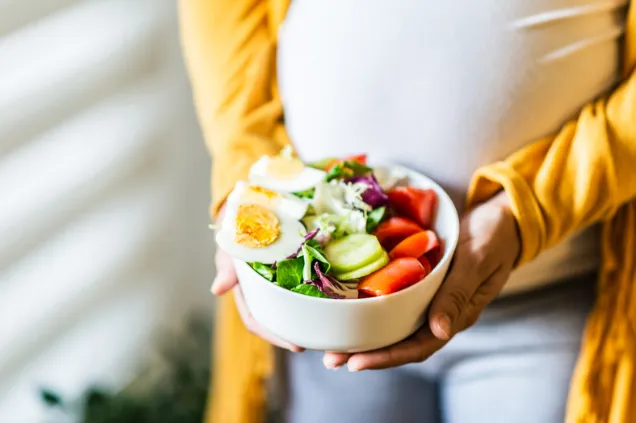
A healthy diet is one of the most important foundations of women’s overall well-being. Nutritional needs change throughout life due to hormonal shifts, growth phases, pregnancy, aging, and lifestyle demands. A diet that supports one stage of life may not fully meet the needs of another. Therefore, understanding how nutrition evolves across different ages helps women maintain energy, hormonal balance, strong bones, and long-term health.
This comprehensive guide explains a healthy diet plan for women at different life stages, highlighting essential nutrients, food choices, and practical eating strategies for lifelong wellness.
Why Nutrition Needs Change Throughout a Woman’s Life
Women experience several biological transitions, including puberty, reproductive years, pregnancy, menopause, and aging. Each phase influences metabolism, hormone production, bone density, and nutrient absorption.
Key factors affecting dietary needs include:
- Hormonal changes
- Menstrual cycles
- Pregnancy and breastfeeding
- Muscle mass changes
- Bone health requirements
- Aging metabolism
Adapting nutrition according to life stage helps prevent deficiencies and chronic diseases.
Essential Nutrients Every Woman Needs
Before exploring age-specific diet plans, it is important to understand nutrients that remain important throughout life.
Core Nutrients for Women’s Health
| Nutrient | Benefits | Food Sources |
|---|---|---|
| Iron | Prevents anemia | Spinach, lentils, red meat |
| Calcium | Bone strength | Milk, yogurt, almonds |
| Protein | Muscle repair | Eggs, beans, fish |
| Folic Acid | Cell growth | Leafy greens, citrus fruits |
| Vitamin D | Calcium absorption | Sunlight, fortified foods |
| Omega-3 | Brain & heart health | Fish, walnuts, seeds |
Balanced intake of these nutrients supports overall physical and hormonal health.
Healthy Diet for Teenage Girls (Ages 13–19)
Adolescence is a critical growth period where bones, muscles, and reproductive systems develop rapidly.
Nutritional Focus
Teen girls require increased calories, protein, calcium, and iron due to growth and the start of menstruation.
Recommended Foods
- Dairy products for bone development
- Whole grains for energy
- Fruits and vegetables for vitamins
- Lean proteins for growth
- Nuts and seeds for healthy fats
Sample Daily Meal Structure
- Breakfast: Milk, whole-grain toast, eggs, fruit
- Lunch: Rice or chapati with vegetables and lentils
- Snack: Yogurt or nuts
- Dinner: Chicken or beans with salad
Healthy eating habits formed during adolescence support lifelong health.
Healthy Diet for Women in Their 20s–30s
This stage focuses on maintaining energy, supporting reproductive health, and building strong metabolism.
Nutritional Priorities
- Iron to replace menstrual losses
- Protein for muscle maintenance
- Folic acid for pregnancy preparation
- Healthy fats for hormone balance
Ideal Food Choices
- Leafy green vegetables
- Whole grains
- Eggs and fish
- Legumes and beans
- Fresh fruits
Balanced Plate Method
A healthy meal should include:
- ½ plate vegetables and fruits
- ¼ plate protein
- ¼ plate whole grains
Maintaining balanced meals helps manage weight and supports fertility.
Diet Plan During Pregnancy
Pregnancy increases nutritional needs to support fetal growth and maternal health.
Important Nutrients
- Folic acid for brain development
- Iron for increased blood volume
- Calcium for bones and teeth
- Protein for tissue growth
Healthy Pregnancy Meal Ideas
- Breakfast: Oatmeal with fruit and milk
- Lunch: Brown rice, vegetables, and lean protein
- Snack: Nuts or smoothies
- Dinner: Lentils or chicken with whole grains
Hydration and small frequent meals help manage nausea and fatigue.
Diet for Breastfeeding Mothers
Breastfeeding mothers require extra calories and hydration to produce nutritious milk.
Key Dietary Needs
- Increased protein intake
- Calcium-rich foods
- Healthy fats
- Plenty of fluids
Foods such as milk, eggs, oats, fruits, vegetables, and nuts help maintain energy and milk production.
Healthy Diet for Women in Their 40s
Metabolism begins to slow during this stage, and hormonal fluctuations may start.
Nutrition Goals
- Maintain healthy weight
- Support heart health
- Preserve muscle mass
- Prevent bone loss
Recommended Foods
- High-fiber foods
- Lean proteins
- Calcium-rich dairy or alternatives
- Antioxidant-rich fruits and vegetables
Reducing processed foods and sugar becomes increasingly important.
Diet Plan for Women After Menopause (50+)
After menopause, estrogen levels decline, increasing risks of osteoporosis and heart disease.
Nutritional Focus
- Calcium and vitamin D for bone health
- Fiber for digestion and heart health
- Protein for muscle preservation
Ideal Meal Pattern
- Breakfast: Yogurt with seeds and fruit
- Lunch: Vegetable soup with whole grains
- Snack: Almonds or fresh fruit
- Dinner: Fish or legumes with steamed vegetables
Portion control and nutrient-dense foods support healthy aging.
Importance of Hydration at Every Stage
Water supports digestion, nutrient absorption, skin health, and energy levels.
Women should aim for:
- 6–8 glasses of water daily (minimum)
- More during pregnancy, exercise, or hot weather
Herbal teas and fresh fruit-infused water can improve hydration habits.
Healthy Eating Habits for Lifelong Wellness
Beyond specific foods, daily habits play a major role in nutrition success.
Smart Eating Practices
- Eat regular meals
- Avoid skipping breakfast
- Limit processed foods
- Control portion sizes
- Include colorful vegetables
- Practice mindful eating
Consistency matters more than strict dieting.
Common Nutrition Mistakes Women Should Avoid
Many women unknowingly develop unhealthy eating patterns.
Frequent Mistakes
- Extreme dieting
- Low protein intake
- Ignoring calcium needs
- Excess sugar consumption
- Skipping meals for weight loss
Balanced nutrition is more effective than restrictive diets.
Conclusion
A healthy diet plan for women should evolve with each stage of life. From adolescence to menopause and beyond, nutritional needs change to support growth, hormonal balance, pregnancy, bone health, and aging. By focusing on nutrient-rich foods, balanced meals, proper hydration, and healthy eating habits, women can maintain energy, prevent diseases, and improve overall quality of life.
Rather than following temporary diet trends, adopting sustainable eating patterns tailored to life stages ensures long-term wellness and vitality.
FAQs
1. How does a woman’s diet change with age?
Nutritional needs shift due to hormonal changes, metabolism slowdown, and bone health requirements, requiring adjustments in calcium, protein, and calorie intake.
2. What is the most important nutrient for women?
No single nutrient is enough alone, but calcium, iron, protein, and folic acid are among the most essential for women’s health.
3. How many meals should women eat daily?
Most women benefit from three balanced meals with one or two healthy snacks to maintain steady energy and metabolism.