

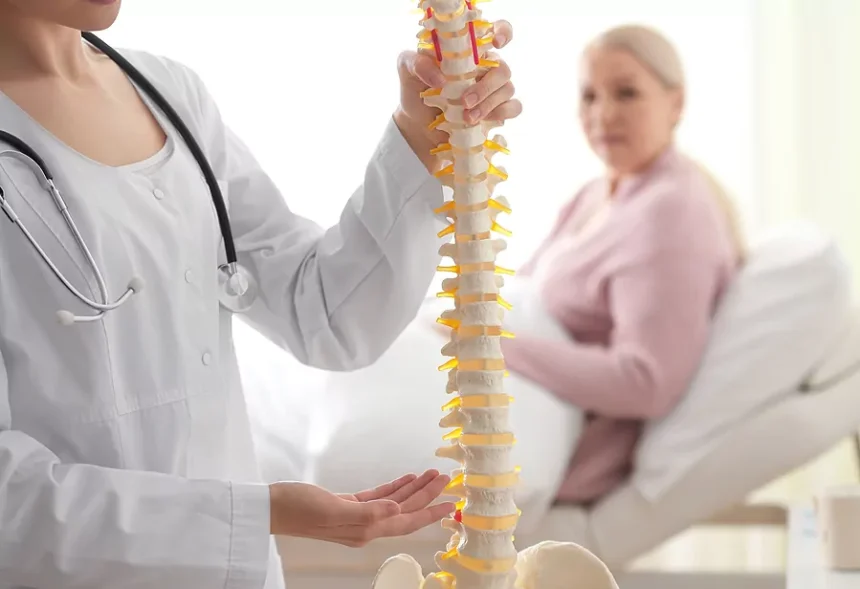
Bone health is a crucial yet often overlooked part of women’s overall wellness. Strong bones support movement, protect vital organs, and store essential minerals like calcium. However, women are at a higher risk of developing osteoporosis — a condition that weakens bones and increases the chances of fractures. Preventing osteoporosis early through lifestyle choices, nutrition, and awareness can significantly improve long-term health and independence.
This detailed guide explains women’s bone health, causes of bone loss, early prevention strategies, and practical steps women can follow at every stage of life.
Understanding Bone Health in Women
Bones are living tissues that constantly rebuild themselves through a process called bone remodeling. During childhood and early adulthood, the body builds more bone than it loses. Peak bone mass is usually reached by the late 20s.
After this stage, bone breakdown slowly begins to exceed bone formation, especially in women due to hormonal changes.
Healthy bones depend on:
- Adequate calcium and vitamin intake
- Hormonal balance
- Physical activity
- Healthy lifestyle habits
Maintaining strong bones early in life reduces the risk of osteoporosis later.
What Is Osteoporosis?
Osteoporosis is a condition in which bones become weak, brittle, and more likely to break. It often develops silently without noticeable symptoms until a fracture occurs.
Common Fracture Areas
- Hip
- Spine
- Wrist
Osteoporosis is sometimes called a “silent disease” because bone loss occurs gradually without pain.
Why Women Are More at Risk
Women face a higher risk of osteoporosis compared to men due to biological and hormonal factors.
Key Risk Factors
Hormonal Changes
Estrogen plays a major role in maintaining bone density. After menopause, estrogen levels drop rapidly, accelerating bone loss.
Smaller Bone Structure
Women naturally have smaller and thinner bones, making them more vulnerable to density loss.
Pregnancy and Breastfeeding
Calcium is transferred to the baby during pregnancy and lactation, which may temporarily affect bone stores if nutrition is inadequate.
Longer Life Expectancy
Women generally live longer, increasing the chances of age-related bone loss.
Signs and Symptoms of Weak Bones
Early osteoporosis usually shows no symptoms, but warning signs may appear over time.
Possible Indicators
- Back pain
- Loss of height
- Stooped posture
- Frequent fractures
- Weak grip strength
Regular screening helps detect bone loss before serious damage occurs.
Importance of Early Prevention
Preventing osteoporosis should begin long before old age. Building strong bones early creates a “bone reserve” that protects against future loss.
Early prevention helps:
- Reduce fracture risk
- Maintain mobility and independence
- Improve quality of life
- Lower healthcare complications later
Healthy habits in teenage years, adulthood, and midlife all contribute to lifelong bone strength.
Essential Nutrients for Strong Bones
Nutrition plays the most important role in bone health.
Key Bone-Building Nutrients
Calcium
Calcium is the primary mineral found in bones.
Sources:
- Milk and yogurt
- Cheese
- Leafy green vegetables
- Almonds
- Fortified foods
Vitamin D
Vitamin D helps the body absorb calcium effectively.
Sources:
- Sunlight exposure
- Eggs
- Fatty fish
- Fortified cereals
Protein
Supports bone structure and muscle strength.
Magnesium and Vitamin K
Help improve bone density and mineral balance.
Daily Calcium Needs by Age
| Age Group | Recommended Calcium Intake |
|---|---|
| 9–18 years | 1300 mg/day |
| 19–50 years | 1000 mg/day |
| 51+ years | 1200 mg/day |
Meeting daily nutritional needs is one of the strongest defenses against osteoporosis.
Role of Exercise in Bone Health
Physical activity strengthens bones by stimulating bone formation.
Best Exercises for Bone Strength
- Weight-bearing exercises (walking, jogging)
- Strength training
- Yoga and balance exercises
- Stair climbing
Regular exercise also improves coordination, reducing fall risk.
Consistency is more important than intensity.
Lifestyle Habits That Protect Bone Health
Certain lifestyle choices strongly influence bone density.
Healthy Habits to Follow
- Maintain a balanced diet
- Avoid smoking
- Limit caffeine intake
- Reduce excessive salt consumption
- Maintain healthy body weight
- Get adequate sleep
Habits That Harm Bones
- Sedentary lifestyle
- Excess alcohol consumption
- Poor nutrition
- Chronic stress
Small daily changes create long-term benefits.
Bone Health Across Different Life Stages
Childhood and Teenage Years
This is the most important period for building bone mass. Proper nutrition and physical activity are essential.
Young Adulthood (20s–30s)
Maintaining healthy habits helps preserve peak bone density.
Midlife (40s)
Hormonal changes begin affecting bones. Strength training and calcium intake become increasingly important.
Menopause and Beyond
Rapid bone loss occurs due to declining estrogen levels. Medical guidance and screenings become essential.
Screening and Medical Checkups
Early detection helps prevent serious complications.
Common Bone Health Tests
- Bone Density Test (DEXA scan)
- Blood tests for vitamin D levels
- Hormone evaluations
Women over 50 or those with risk factors should discuss screening with healthcare providers.
Natural Ways to Strengthen Bones
Women can naturally support bone health through daily routines.
- Spend 15–20 minutes in sunlight
- Include calcium-rich foods daily
- Stay physically active
- Practice balance exercises
- Maintain healthy posture
Long-term consistency produces the best results.
Conclusion
Women’s bone health is a lifelong responsibility that begins early and continues through every stage of life. Osteoporosis may develop silently, but it is largely preventable through proper nutrition, regular exercise, healthy lifestyle choices, and timely medical checkups.
By focusing on calcium intake, maintaining hormonal balance, staying physically active, and adopting preventive habits early, women can protect their bones, reduce fracture risks, and enjoy an active and independent future. Prevention today is the strongest foundation for healthy aging tomorrow.
FAQs
1. At what age should women start caring about bone health?
Bone health should be prioritized from childhood and adolescence since peak bone mass develops before age 30.
2. Can osteoporosis be prevented naturally?
Yes, proper nutrition, regular exercise, sunlight exposure, and healthy lifestyle habits significantly reduce osteoporosis risk.
3. How often should bone density be checked?
Women aged 50+ or those with risk factors should consult a doctor about bone density testing, typically every few years depending on health status.