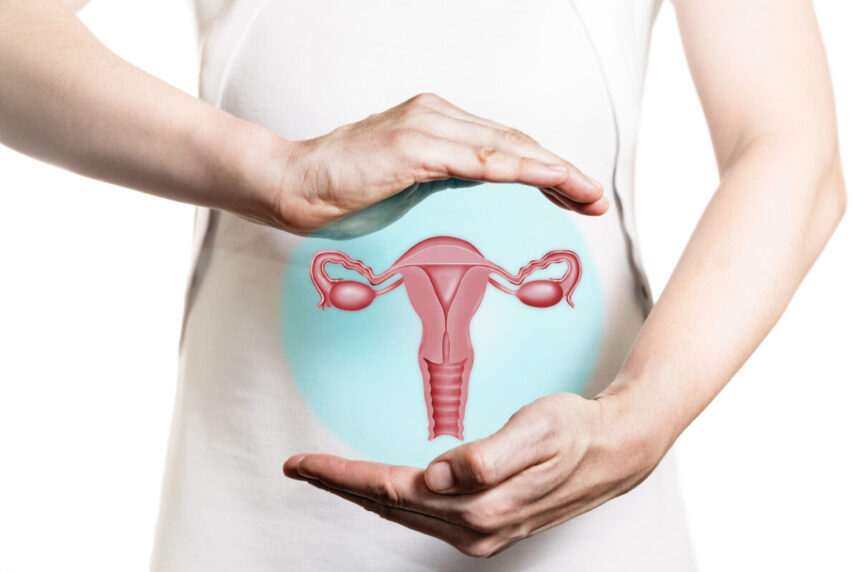
Women’s reproductive health is an essential part of overall well-being, affecting physical health, emotional balance, fertility, and quality of life. Understanding how the reproductive system works, how to maintain hormonal balance, and how to prevent common health issues helps women make informed decisions at every stage of life.
This complete guide explains women’s reproductive health in simple and easy language, covering anatomy, menstrual health, fertility, hygiene, common disorders, preventive care, and lifestyle practices that support long-term wellness.
What Is Women’s Reproductive Health?
Women’s reproductive health refers to the proper functioning and care of organs involved in reproduction, including the ovaries, uterus, fallopian tubes, cervix, and vagina. It also includes hormonal health, menstrual cycles, fertility, pregnancy, and menopause.
Good reproductive health means:
- A regular and healthy menstrual cycle
- Freedom from infections and reproductive diseases
- Safe pregnancy and childbirth
- Hormonal balance
- Emotional and sexual well-being
Reproductive health is not only about pregnancy; it is about maintaining lifelong wellness.
Understanding the Female Reproductive System
The female reproductive system is complex but works in a coordinated way through hormones and biological processes.
Main Reproductive Organs
1. Ovaries
Ovaries produce eggs (ova) and hormones such as estrogen and progesterone. These hormones regulate menstruation, fertility, and physical development.
2. Fallopian Tubes
These tubes carry the egg from the ovary to the uterus. Fertilization usually occurs here.
3. Uterus
The uterus is where a fertilized egg implants and grows during pregnancy.
4. Cervix
The cervix connects the uterus to the vagina and plays an important role during menstruation and childbirth.
5. Vagina
The vagina serves as the birth canal and pathway for menstrual flow.
The Menstrual Cycle Explained
The menstrual cycle is a natural monthly process controlled by hormones. A typical cycle lasts between 21 to 35 days.
Phases of the Menstrual Cycle
| Phase | What Happens | Duration |
|---|---|---|
| Menstrual Phase | Shedding of uterine lining (period) | 3–7 days |
| Follicular Phase | Egg develops in ovary | Day 1–13 |
| Ovulation | Egg released | Around Day 14 |
| Luteal Phase | Body prepares for pregnancy | Day 15–28 |
A regular cycle usually indicates balanced reproductive health.
Importance of Hormonal Balance
Hormones act as chemical messengers controlling mood, metabolism, fertility, and menstrual cycles.
Key Hormones in Women’s Health
- Estrogen: Supports reproductive development and bone health
- Progesterone: Prepares uterus for pregnancy
- FSH & LH: Control ovulation
- Testosterone (small amounts): Influences energy and libido
Hormonal imbalance can cause:
- Irregular periods
- Acne or hair loss
- Mood swings
- Weight changes
- Fertility problems
Healthy lifestyle habits help maintain hormonal stability.
Common Reproductive Health Issues
Many women experience reproductive health challenges during different life stages.
Polycystic Ovary Syndrome (PCOS)
PCOS is a hormonal disorder causing irregular periods, weight gain, acne, and difficulty conceiving.
Endometriosis
A painful condition where uterine-like tissue grows outside the uterus, causing severe cramps and infertility risks.
Fibroids
Non-cancerous growths in the uterus that may lead to heavy bleeding or pelvic pain.
Reproductive Infections
Infections such as yeast infections or sexually transmitted infections (STIs) can affect fertility if untreated.
Early diagnosis greatly improves treatment outcomes.
Fertility and Reproductive Health
Fertility depends on multiple factors including age, hormone levels, lifestyle, and overall health.
Factors Affecting Fertility
- Age (fertility declines after 35)
- Stress levels
- Poor nutrition
- Smoking or alcohol
- Hormonal disorders
- Lack of physical activity
Tips to Support Fertility
- Maintain a balanced diet
- Track menstrual cycles
- Exercise regularly
- Manage stress
- Get adequate sleep
- Schedule regular medical checkups
Reproductive Health Across Life Stages
Women’s reproductive needs change throughout life.
Adolescence (Teen Years)
- Start of menstruation
- Hormonal changes
- Importance of menstrual education and hygiene
Reproductive Years (20s–30s)
- Fertility awareness
- Family planning
- Regular gynecological exams
Midlife (40s)
- Hormonal fluctuations
- Perimenopause symptoms
- Increased need for screenings
Menopause (45–55+)
Menopause marks the end of menstrual cycles and fertility due to reduced estrogen levels.
Common symptoms include:
- Hot flashes
- Mood changes
- Sleep disturbances
- Bone density loss
Importance of Reproductive Hygiene
Good hygiene prevents infections and supports reproductive wellness.
Healthy hygiene practices include:
- Changing sanitary products regularly
- Wearing breathable cotton underwear
- Avoiding harsh chemical products
- Practicing safe sexual health
- Maintaining proper genital cleanliness
Over-cleaning or using scented products may disrupt natural vaginal balance.
Preventive Care and Regular Checkups
Preventive healthcare is one of the most important aspects of women’s reproductive health.
Recommended Health Screenings
- Pap smear tests
- Pelvic examinations
- Breast exams
- STI testing
- Hormonal evaluations when needed
Regular visits to a healthcare professional help detect issues early.
Nutrition and Lifestyle for Reproductive Wellness
Lifestyle choices directly influence reproductive health.
Nutrients Important for Women
- Iron for menstrual health
- Calcium for bone strength
- Folic acid for pregnancy preparation
- Omega-3 fatty acids for hormonal balance
Healthy Lifestyle Habits
- Daily physical activity
- Stress management practices
- Hydration
- Adequate sleep
- Limiting processed foods
A balanced lifestyle improves both reproductive and mental health.
Mental and Emotional Aspects of Reproductive Health
Reproductive health is strongly connected with emotional well-being. Hormonal changes can influence mood, anxiety levels, and energy.
Practices that support emotional health include:
- Mindfulness or meditation
- Social support
- Therapy or counseling when needed
- Maintaining work-life balance
Addressing mental health improves overall reproductive wellness.
Conclusion
Women’s reproductive health is a lifelong journey that requires awareness, education, and proactive care. From understanding menstrual cycles to maintaining hormonal balance and seeking preventive medical care, every stage of life brings unique needs and challenges.
By adopting healthy habits, maintaining proper hygiene, managing stress, and scheduling regular health checkups, women can protect their reproductive system and enhance overall quality of life. Knowledge and early action are the most powerful tools for achieving long-term reproductive wellness.
FAQs
1. What are the signs of good reproductive health?
Regular menstrual cycles, absence of severe pain, balanced hormones, and freedom from infections are key signs of healthy reproductive functioning.
2. How often should women visit a gynecologist?
Most experts recommend at least one annual checkup, though frequency may vary depending on age, symptoms, or medical history.
3. Can lifestyle changes improve reproductive health?
Yes. A healthy diet, regular exercise, stress management, proper sleep, and avoiding harmful habits significantly improve reproductive health and fertility.