

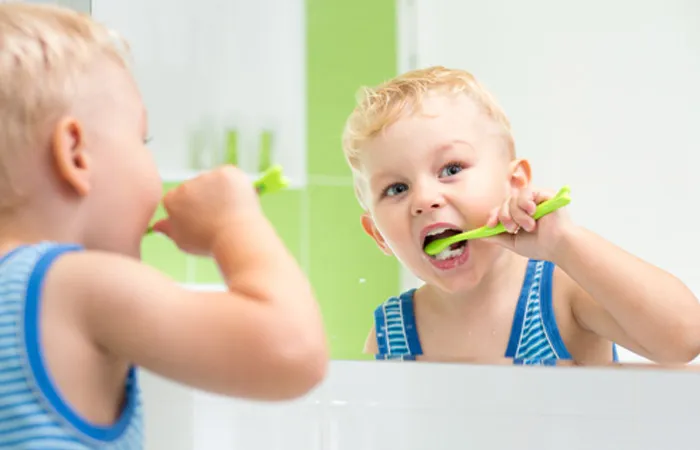
Many parents believe that baby teeth are not very important because they eventually fall out. However, this is one of the most common misconceptions about children’s oral health. Baby teeth, also known as primary teeth, play a vital role in a child’s development, nutrition, speech, and long-term dental health. Proper care during early childhood lays the foundation for strong permanent teeth and healthy oral habits for life.
Understanding why baby teeth care matters more than most people think can help parents protect their child’s smile from the very beginning.
What Are Baby Teeth and When Do They Appear?
Baby teeth usually begin to emerge when a child is around 6 months old. By age three, most children have a complete set of 20 primary teeth.
Typical Baby Teeth Timeline
- 6–10 months: First teeth appear (usually lower front teeth)
- 12–18 months: Front and side teeth grow
- 18–24 months: Molars begin emerging
- 2–3 years: Full set of baby teeth completed
These teeth remain in place until around age six, when permanent teeth gradually replace them.
Why Baby Teeth Are Important
Supporting Proper Chewing and Nutrition
Baby teeth help children chew food properly, which is essential for digestion and overall growth. Painful or decayed teeth may cause children to avoid certain foods, leading to nutritional deficiencies.
Helping Speech Development
Teeth play an important role in pronunciation. Sounds such as “s,” “f,” and “th” require proper tooth positioning. Healthy baby teeth help children develop clear speech patterns.
Guiding Permanent Teeth
Baby teeth act as placeholders for permanent teeth. If a baby tooth is lost too early due to decay or injury, nearby teeth may shift into the empty space, causing alignment problems later.
Building Confidence and Social Development
A healthy smile boosts a child’s confidence. Dental problems can lead to discomfort, embarrassment, or difficulty interacting socially.
Common Dental Problems in Baby Teeth
Even though baby teeth are temporary, they are vulnerable to many dental issues.
Early Childhood Cavities
Tooth decay is one of the most common childhood diseases. Frequent exposure to sugary drinks, milk at bedtime, or poor brushing habits can cause cavities quickly.
Baby Bottle Tooth Decay
This condition occurs when children sleep with bottles containing milk, juice, or sweetened liquids. Sugars remain on teeth for long periods, increasing decay risk.
Gum Inflammation
Poor oral hygiene can lead to swollen or bleeding gums even in young children.
Early prevention is key to avoiding painful dental treatments later.
When Should Baby Teeth Care Begin?
Dental care should start before the first tooth appears.
Oral Care for Infants
Parents should gently clean a baby’s gums using a soft, damp cloth after feedings. This removes bacteria and helps babies get used to oral cleaning routines.
Brushing After First Tooth Appears
Once the first tooth erupts:
- Use a soft infant toothbrush
- Apply a tiny smear of fluoride toothpaste
- Brush gently twice daily
Establishing early habits makes brushing a natural part of daily routine.
Proper Brushing Techniques for Children
Young children need assistance with brushing until they develop proper coordination.
Steps for Effective Brushing
- Use a soft-bristled toothbrush designed for children
- Brush using gentle circular motions
- Clean all tooth surfaces and gum line
- Brush for two minutes
- Supervise brushing until age 7–8
Parents should model good brushing habits to encourage consistency.
The Role of Diet in Baby Teeth Health
Nutrition greatly affects dental health during childhood.
Tooth-Friendly Foods
Healthy foods strengthen enamel and support gum health:
- Milk and yogurt (calcium-rich)
- Fruits and vegetables
- Cheese
- Whole grains
- Water instead of sugary drinks
Foods to Limit
Reducing sugar intake helps prevent cavities:
- Candy and chocolates
- Sticky snacks
- Sugary juices
- Soda and sweetened milk drinks
Balanced eating habits protect teeth and overall health.
Importance of Early Dental Visits
Dentists recommend scheduling a child’s first dental visit by age one or within six months after the first tooth appears.
Benefits of Early Dental Checkups
- Detect early signs of decay
- Monitor tooth development
- Educate parents about oral care
- Reduce dental anxiety through familiarity
Regular visits help children feel comfortable with dental care from an early age.
Preventing Cavities in Baby Teeth
Preventive care is easier than treatment.
Key Prevention Tips
- Avoid putting babies to bed with bottles
- Clean teeth after nighttime feeding
- Limit sugary snacks between meals
- Encourage drinking water
- Apply fluoride treatments when recommended by dentists
Consistent preventive habits significantly reduce cavity risks.
What Happens If Baby Teeth Are Neglected?
Ignoring baby teeth care can lead to serious consequences:
- Pain and infection
- Difficulty eating and sleeping
- Speech problems
- Premature tooth loss
- Misaligned permanent teeth
- Increased dental treatment costs later
Dental health problems during childhood often continue into adulthood if not addressed early.
Creating Positive Dental Habits for Life
Children learn through observation and routine. Making dental care fun and consistent helps build lifelong habits.
Parents can encourage good habits by:
- Brushing together as a family
- Using colorful toothbrushes
- Playing music or timers during brushing
- Praising children for good oral hygiene
Positive reinforcement creates lasting healthy behaviors.
Signs Your Child May Have Dental Problems
Parents should watch for warning signs such as:
- White or brown spots on teeth
- Tooth sensitivity or pain
- Bad breath
- Difficulty chewing
- Swollen gums
Early dental consultation prevents complications.
Conclusion
Baby teeth care matters far more than many parents realize. These small teeth play a big role in nutrition, speech development, confidence, and guiding permanent teeth into proper position. Neglecting baby teeth can lead to long-term oral health problems, while proper care builds a strong foundation for a lifetime of healthy smiles.
By starting dental care early, maintaining good hygiene habits, encouraging healthy diets, and scheduling regular dental visits, parents can ensure their children grow up with strong teeth, healthy gums, and positive attitudes toward oral health.
FAQs
1. Are baby teeth really important if they fall out anyway?
Yes, baby teeth help with chewing, speech development, and guiding permanent teeth into the correct position, making their care essential.
2. When should I start brushing my baby’s teeth?
You should begin brushing as soon as the first tooth appears using a soft toothbrush and a small amount of fluoride toothpaste.
3. How often should children visit the dentist?
Children should visit the dentist every six months or as recommended, starting by their first birthday.