

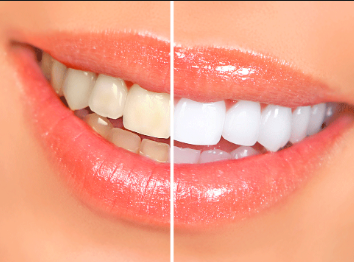
A bright, white smile is often associated with confidence, health, and good hygiene. Over time, however, teeth naturally lose their brightness due to aging, food habits, lifestyle choices, and daily wear. Teeth whitening has become one of the most popular cosmetic dental treatments, but many people feel confused about which methods are safe and truly effective.
This detailed guide explains safe teeth whitening methods that actually work, how they function, their benefits, risks, and how to maintain long-lasting results.
Why Teeth Become Discolored
Before understanding whitening solutions, it is important to know why teeth change color. Tooth discoloration generally happens due to stains on the enamel or changes beneath the enamel layer.
Common Causes of Tooth Staining
- Coffee, tea, and red wine consumption
- Smoking or tobacco use
- Poor oral hygiene
- Aging and enamel thinning
- Certain medications
- Highly pigmented foods
Stains can be categorized into two main types:
- Extrinsic stains: Surface stains caused by food and drinks
- Intrinsic stains: Deeper discoloration inside the tooth structure
Different whitening methods work better depending on the stain type.
How Teeth Whitening Works
Teeth whitening products usually contain bleaching agents such as hydrogen peroxide or carbamide peroxide. These ingredients break down stain molecules into smaller particles, making teeth appear lighter.
Whitening does not damage teeth when used correctly and under professional guidance. Instead, it removes or reduces discoloration to restore natural brightness.
Professional Teeth Whitening Treatments
In-Office Dental Whitening
Professional whitening performed by a dentist is considered the safest and fastest method.
During treatment:
- Gums are protected with special barriers
- A high-concentration whitening gel is applied
- Sometimes LED or laser light activates the gel
- Results appear within one session
Benefits
- Immediate visible results
- Controlled and safe procedure
- Minimal risk of gum irritation
- Even whitening across teeth
Professional whitening can lighten teeth several shades in a single visit.
Custom Take-Home Whitening Trays
Dentists may also provide customized trays with professional-grade whitening gel for home use.
Patients wear trays daily for a specified time over one to two weeks. Because trays fit perfectly, whitening gel spreads evenly and reduces sensitivity risks.
This method offers professional results with gradual whitening.
Over-the-Counter Whitening Options
Whitening Toothpaste
Whitening toothpaste contains mild abrasives and polishing agents that remove surface stains rather than changing tooth color deeply.
They are safe for daily use but provide subtle results over time.
Whitening Strips
Whitening strips are thin flexible pieces coated with peroxide gel that stick to teeth.
When used as directed:
- Results appear within 1–2 weeks
- They are affordable and accessible
- Suitable for mild to moderate staining
Consistency is important for noticeable improvement.
Whitening Pens and Gels
These products allow targeted application to specific teeth. They are convenient but usually less powerful than strips or professional treatments.
Natural Whitening Methods: Do They Work?
Many home remedies are popular online, but not all are safe or effective.
Safe Natural Practices
- Brushing regularly
- Eating crunchy fruits and vegetables
- Rinsing mouth after staining foods
- Oil pulling (limited evidence but generally safe)
Methods to Avoid
Some viral remedies can damage enamel:
- Lemon juice or acidic mixtures
- Baking soda used aggressively
- Charcoal powders used frequently
Acidic or abrasive substances may make teeth appear whiter temporarily but can permanently weaken enamel.
Comparing Teeth Whitening Methods
| Method | Effectiveness | Safety | Speed of Results | Best For |
|---|---|---|---|---|
| Professional Whitening | Very High | Very Safe | Immediate | Deep stains |
| Custom Trays | High | Safe | Gradual | Even whitening |
| Whitening Strips | Moderate | Safe | 1–2 Weeks | Surface stains |
| Whitening Toothpaste | Low | Very Safe | Slow | Maintenance |
| Natural Remedies | Limited | Varies | Slow | Minor stains |
Possible Side Effects of Teeth Whitening
Teeth whitening is generally safe, but temporary side effects may occur.
Common Effects
- Tooth sensitivity
- Mild gum irritation
- Temporary discomfort with cold foods
These symptoms usually disappear within a few days. Using desensitizing toothpaste can help reduce sensitivity.
Who Should Avoid Teeth Whitening?
Whitening may not be suitable for everyone. Consult a dentist if you have:
- Severe tooth sensitivity
- Gum disease
- Cavities or damaged enamel
- Dental crowns or veneers (they do not whiten)
- Pregnancy concerns
A dental evaluation ensures safe treatment selection.
How to Maintain Whitening Results
Whitening results can last months or even years depending on lifestyle habits.
Tips for Long-Lasting Results
- Brush twice daily
- Floss regularly
- Limit coffee, tea, and smoking
- Use a straw for staining drinks
- Rinse mouth after meals
- Schedule professional cleanings
Maintenance whitening every few months may help preserve brightness.
Myths About Teeth Whitening
Myth 1: Whitening Damages Enamel
When used properly, approved whitening products do not harm enamel.
Myth 2: Results Are Permanent
Teeth can stain again over time, so maintenance is necessary.
Myth 3: Stronger Products Work Better
Overusing strong products increases sensitivity without improving results significantly.
The Role of Dentists in Safe Whitening
Dentists ensure whitening treatments are:
- Appropriate for your dental condition
- Applied safely
- Customized for even results
- Monitored to avoid complications
Professional guidance greatly reduces risks and improves effectiveness.
Conclusion
Teeth whitening is a safe and effective way to enhance your smile when the right methods are used. Professional treatments offer the fastest and most reliable results, while at-home options provide gradual improvement for mild staining. Avoiding unsafe DIY remedies and following dentist recommendations ensures healthy whitening without damaging teeth.
By combining safe whitening techniques with good oral hygiene habits, you can achieve a brighter smile and maintain long-lasting confidence.
FAQs
1. What is the safest teeth whitening method?
Professional whitening performed by a dentist is considered the safest and most effective option because it is supervised and customized.
2. How long do teeth whitening results last?
Results typically last between 6 months to 2 years depending on diet, oral hygiene, and lifestyle habits like smoking or coffee consumption.
3. Can teeth whitening cause permanent sensitivity?
No, sensitivity is usually temporary and disappears within a few days after treatment when products are used correctly.