

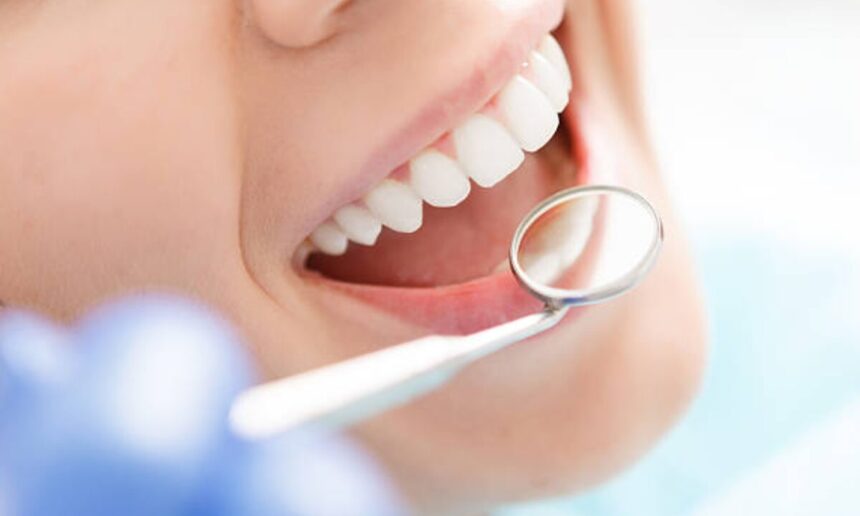
Maintaining healthy teeth and gums is essential not only for a beautiful smile but also for overall health. Good oral hygiene helps prevent cavities, gum disease, bad breath, and even serious medical conditions linked to poor dental care. Many dental problems develop slowly and silently, which is why adopting proper daily habits is the best way to protect your oral health.
This detailed guide explains the most effective dental care tips that dentists recommend to keep your teeth strong and gums healthy throughout life.
Why Dental Care Is Important for Overall Health
Oral health is closely connected to general health. The mouth contains millions of bacteria, and without proper care, harmful bacteria can enter the bloodstream and contribute to health issues such as heart disease, diabetes complications, and infections.
Healthy teeth and gums allow you to:
- Eat comfortably and digest food properly
- Speak clearly
- Maintain confidence in your smile
- Prevent painful dental treatments
Preventive dental care is always easier and more affordable than treating advanced problems.
Brush Your Teeth Properly Twice a Day
Importance of Correct Brushing
Brushing removes plaque — a sticky layer of bacteria that forms on teeth after eating. If plaque is not removed regularly, it hardens into tartar and leads to cavities and gum disease.
Dentists recommend brushing at least twice daily, especially before bedtime.
Proper Brushing Technique
For effective cleaning:
- Use a soft-bristled toothbrush
- Hold the brush at a 45-degree angle toward gums
- Use gentle circular motions
- Brush all tooth surfaces evenly
- Spend at least two minutes brushing
Aggressive brushing can damage enamel and irritate gums, so gentle pressure works best.
Floss Daily to Clean Between Teeth
Brushing alone cannot reach the tight spaces between teeth where food particles and plaque accumulate. Flossing removes debris that toothbrush bristles miss.
Benefits of Daily Flossing
- Prevents gum disease
- Reduces plaque buildup
- Helps avoid cavities between teeth
- Improves breath freshness
Flossing once a day, preferably before bedtime, significantly improves gum health over time.
Use Fluoride Toothpaste
Fluoride strengthens enamel and protects teeth from decay by making them more resistant to acid attacks caused by bacteria.
When choosing toothpaste:
- Look for fluoride as an active ingredient
- Avoid overly abrasive formulas
- Use a pea-sized amount for adults
Regular fluoride use helps repair early enamel damage before cavities form.
Maintain a Tooth-Friendly Diet
Foods That Support Dental Health
A balanced diet plays a major role in oral health. Nutrient-rich foods strengthen teeth and gums.
Healthy choices include:
- Dairy products rich in calcium
- Leafy green vegetables
- Crunchy fruits and vegetables like apples and carrots
- Nuts and seeds
- Water instead of sugary drinks
Foods to Limit
Frequent consumption of sugary or acidic foods increases cavity risk. Try to reduce:
- Soft drinks
- Candy and sweets
- Sticky snacks
- Excessive coffee or sugary tea
Limiting sugar exposure protects enamel from constant acid attacks.
Stay Hydrated and Drink More Water
Water helps wash away food particles and bacteria while maintaining saliva production. Saliva is essential because it neutralizes acids and naturally cleans the mouth.
Drinking water after meals helps reduce plaque formation and protects enamel.
Replace Your Toothbrush Regularly
A worn toothbrush cannot clean effectively. Dentists recommend replacing your toothbrush:
- Every 3 months
- After illness
- When bristles become frayed
Using a clean and functional toothbrush ensures proper plaque removal.
Avoid Harmful Habits That Damage Teeth
Certain everyday habits can weaken teeth and gums without people realizing it.
Common Harmful Habits
- Smoking or tobacco use
- Nail biting
- Chewing ice
- Using teeth to open packages
- Grinding teeth (bruxism)
Avoiding these habits prevents cracks, enamel wear, and gum problems.
Schedule Regular Dental Checkups
Professional dental visits are essential even if your teeth feel healthy. Dentists can detect early signs of problems that are not visible or painful yet.
Recommended Dental Visit Frequency
Most people should visit a dentist every six months for:
- Professional cleaning
- Plaque and tartar removal
- Oral cancer screening
- Early cavity detection
Preventive visits help avoid costly treatments later.
Protect Your Teeth During Sports
If you participate in sports or physical activities, wearing a mouthguard protects teeth from injury and fractures.
Custom mouthguards provided by dentists offer the best protection and comfort.
Pay Attention to Gum Health
Healthy gums are just as important as healthy teeth. Signs of gum problems include:
- Bleeding while brushing
- Swelling or redness
- Persistent bad breath
- Gum recession
Early treatment of gum issues prevents tooth loss and serious periodontal disease.
Teach Children Healthy Dental Habits Early
Good oral hygiene habits developed during childhood often last a lifetime. Parents should encourage:
- Brushing twice daily
- Limiting sugary snacks
- Regular dental visits
- Proper brushing supervision
Early education helps children avoid dental anxiety and long-term oral issues.
Signs Your Dental Care Routine Needs Improvement
You may need to adjust your dental care habits if you notice:
- Frequent cavities
- Tooth sensitivity
- Bad breath
- Bleeding gums
- Plaque buildup despite brushing
Consulting a dentist can help identify gaps in your routine and improve oral health outcomes.
Conclusion
Healthy teeth and gums require consistent daily care combined with professional dental support. Proper brushing, flossing, balanced nutrition, hydration, and regular dental visits form the foundation of strong oral health. Small habits practiced every day can prevent major dental problems and ensure a confident, healthy smile for years to come.
By following these top dental care tips, you not only protect your teeth and gums but also improve your overall health and quality of life.
FAQs
1. How many times should I brush my teeth daily?
Dentists recommend brushing at least twice a day — once in the morning and once before bedtime.
2. Is flossing really necessary if I brush well?
Yes, flossing removes plaque between teeth where toothbrushes cannot reach, helping prevent cavities and gum disease.
3. How often should I visit a dentist for checkups?
Most people should schedule dental checkups every six months, although your dentist may recommend more frequent visits depending on your oral health condition.