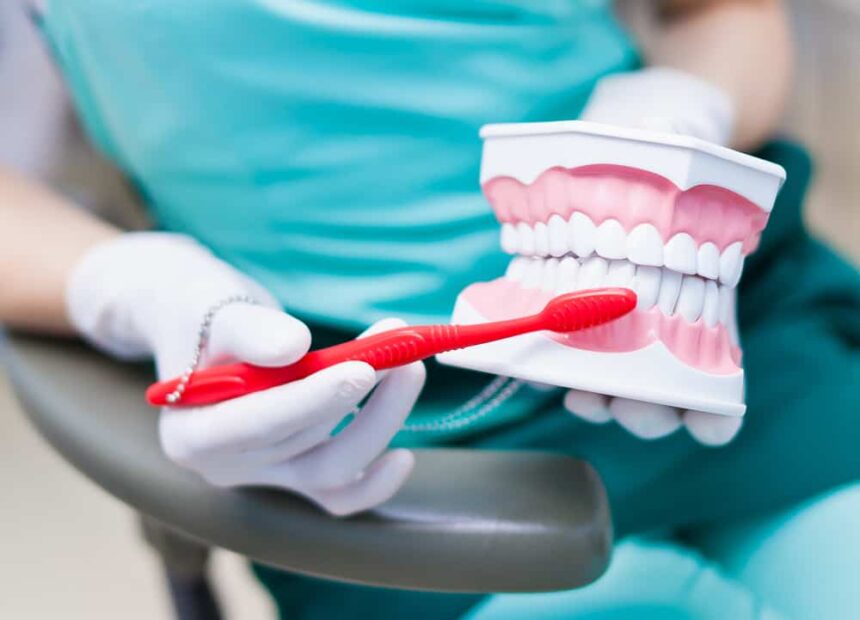
Maintaining good oral hygiene is one of the most important parts of overall health, and brushing your teeth is the foundation of daily dental care. However, many people believe that brushing regularly is enough, while in reality how you brush matters just as much as how often you brush. A poor brushing technique can lead to cavities, gum disease, enamel damage, and long-term dental problems even if you brush twice a day.
Understanding the correct brushing method helps remove plaque effectively, protect gums, and keep teeth strong for years. This article explains in detail how brushing technique affects your dental health and how you can improve your routine for better oral hygiene.
Why Proper Brushing Technique Matters
Brushing is designed to remove plaque — a sticky film of bacteria that forms on teeth throughout the day. When plaque is not removed properly, it hardens into tartar, which can only be cleaned by a dentist.
Using the wrong brushing technique may cause several problems:
- Incomplete plaque removal
- Gum irritation or bleeding
- Tooth sensitivity
- Enamel erosion
- Increased risk of cavities
Many dental issues occur not because people skip brushing, but because they brush incorrectly.
Understanding Plaque and Its Impact on Teeth
What Is Dental Plaque?
Dental plaque is a soft bacterial layer that builds up after eating or drinking. Sugary and acidic foods feed bacteria, which produce acids that attack tooth enamel.
If plaque stays on teeth:
- It causes tooth decay
- Leads to gum inflammation (gingivitis)
- Can develop into periodontal disease
Proper brushing technique ensures plaque is removed from all surfaces, including hard-to-reach areas near the gum line.
Common Brushing Mistakes That Harm Dental Health
Brushing Too Hard
Many people think brushing harder cleans better, but aggressive brushing can:
- Wear down enamel
- Cause gum recession
- Increase tooth sensitivity
Gentle brushing is more effective and safer.
Using the Wrong Angle
Brushing straight across teeth misses plaque near the gum line, where bacteria often accumulate.
Brushing Too Quickly
Dentists recommend brushing for at least two minutes, yet many people brush for less than one minute, leaving bacteria behind.
Using a Worn-Out Toothbrush
Old toothbrush bristles lose effectiveness and fail to clean properly. Replacing your toothbrush every 3 months is essential.
The Correct Tooth Brushing Technique
Step-by-Step Brushing Method
Dentists commonly recommend the Modified Bass Technique, which is highly effective for plaque removal.
Step 1: Position the Toothbrush Correctly
Hold your toothbrush at a 45-degree angle toward the gum line.
Step 2: Use Gentle Circular Motions
Move the brush in small circular motions instead of harsh back-and-forth scrubbing.
Step 3: Clean All Tooth Surfaces
Make sure to brush:
- Outer surfaces
- Inner surfaces
- Chewing surfaces
- Behind front teeth
Step 4: Brush the Tongue
Bacteria also live on the tongue and can cause bad breath.
Step 5: Brush for Two Minutes
Divide your mouth into four sections and spend about 30 seconds on each.
Choosing the Right Toothbrush and Toothpaste
Soft vs Hard Bristles
Dentists strongly recommend soft-bristled toothbrushes because they clean effectively without damaging enamel or gums.
Manual vs Electric Toothbrush
Both can work well if used properly, but electric toothbrushes may help people maintain consistent brushing motions and timing.
| Feature | Manual Toothbrush | Electric Toothbrush |
|---|---|---|
| Cost | Affordable | More expensive |
| Ease of Use | Requires technique | Easier for beginners |
| Cleaning Efficiency | Good with proper use | Often more consistent |
| Recommended For | Most users | Kids, elderly, braces wearers |
How Poor Brushing Technique Leads to Dental Problems
Tooth Decay
Improper brushing leaves plaque behind, allowing bacteria to produce acids that damage enamel.
Gum Disease
When plaque accumulates near gums, it causes inflammation, bleeding, and eventually gum recession.
Tooth Sensitivity
Overbrushing or using hard bristles exposes dentin, making teeth sensitive to hot or cold foods.
Bad Breath
Incomplete cleaning allows bacteria to grow, causing persistent bad breath.
The Role of Brushing Frequency and Timing
Brushing technique works best when combined with proper timing.
Recommended Routine
- Brush twice daily (morning and night)
- Brush after meals when possible
- Wait 30 minutes after acidic foods before brushing
Brushing immediately after acidic drinks may damage softened enamel.
Additional Tips for Better Dental Health
Improving brushing technique is only one part of oral care. Dentists also recommend supporting habits such as:
- Flossing once daily to clean between teeth
- Using fluoride toothpaste
- Drinking plenty of water
- Limiting sugary snacks
- Visiting a dentist every six months
These habits work together with proper brushing to maintain long-term dental health.
Teaching Proper Brushing Technique to Children
Children often develop lifelong dental habits early. Parents should:
- Demonstrate brushing slowly
- Use fun timers or songs for two minutes
- Supervise brushing until age 7–8
- Choose child-friendly toothbrushes
Good technique learned in childhood reduces dental problems later in life.
Signs You May Be Brushing Incorrectly
You may need to adjust your brushing method if you notice:
- Bleeding gums
- Tooth sensitivity
- Persistent plaque buildup
- Bad breath despite brushing
- Receding gums
Consulting a dentist can help identify technique issues early.
Conclusion
Your brushing technique plays a critical role in maintaining strong teeth and healthy gums. Simply brushing twice a day is not enough if the method is incorrect. Gentle movements, proper angles, adequate brushing time, and the right tools make a significant difference in removing plaque and preventing dental diseases.
By adopting the correct brushing technique and maintaining consistent oral hygiene habits, you can protect your smile, avoid costly dental treatments, and improve your overall health. Small improvements in daily brushing can lead to long-lasting dental benefits.
FAQs
1. What is the best brushing technique recommended by dentists?
The Modified Bass Technique is widely recommended because it cleans both teeth and the gum line effectively using gentle circular motions at a 45-degree angle.
2. Can brushing too hard damage teeth?
Yes, aggressive brushing can wear down enamel, cause gum recession, and lead to tooth sensitivity. Gentle brushing with soft bristles is safest.
3. How long should I brush my teeth each time?
Dentists recommend brushing for at least two minutes, twice daily, to ensure all tooth surfaces are cleaned properly.