
Cardiology has evolved dramatically over the past few decades, transforming how heart diseases are diagnosed, treated, and managed. Advances in medical technology, minimally invasive procedures, and innovative therapies have significantly improved survival rates and quality of life for patients with cardiovascular conditions. Today, modern cardiology focuses not only on treating heart disease but also on prevention, early intervention, and personalized care.
Understanding the modern treatments used in cardiology helps patients appreciate how far heart care has progressed and how these advancements continue to save lives worldwide.
Understanding Modern Cardiology Treatment Approaches
Modern cardiology combines medication, technology-driven procedures, surgical techniques, and lifestyle management to treat heart conditions effectively. Treatment plans are personalized based on the patient’s age, medical history, severity of disease, and risk factors.
Goals of Modern Cardiac Treatment
The primary objectives of cardiology treatments include:
- Restoring proper blood flow to the heart
- Controlling symptoms and preventing complications
- Improving heart function
- Reducing risk of heart attacks and strokes
- Enhancing long-term quality of life
Modern care emphasizes early detection and minimally invasive solutions whenever possible.
Medication-Based Treatments in Cardiology
Medications remain a cornerstone of cardiovascular treatment and are often the first step in managing heart disease.
Common Types of Cardiac Medications
Blood Pressure Medications
Drugs such as ACE inhibitors, beta-blockers, and calcium channel blockers help regulate blood pressure and reduce strain on the heart.
Cholesterol-Lowering Medications
Statins and other lipid-lowering agents reduce harmful cholesterol levels and prevent plaque buildup in arteries.
Antiplatelet and Anticoagulant Drugs
These medications prevent blood clots, reducing the risk of heart attacks and strokes, especially in patients with coronary artery disease or atrial fibrillation.
Heart Rhythm Medications
Antiarrhythmic drugs help stabilize irregular heartbeats and improve electrical activity within the heart.
Medication therapy often works alongside lifestyle changes and procedural treatments for optimal outcomes.
Minimally Invasive Cardiac Procedures
One of the biggest advancements in modern cardiology is the shift toward minimally invasive procedures, which reduce recovery time and surgical risks.
Angioplasty and Stent Placement
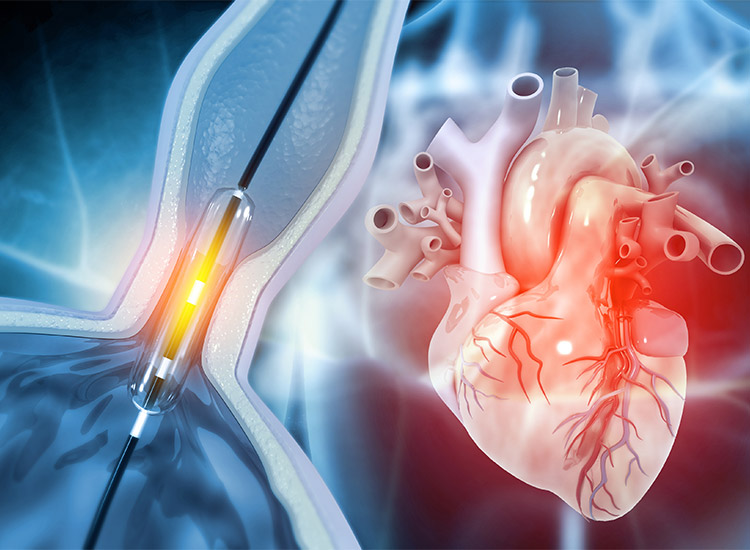
Angioplasty involves inserting a small balloon through a catheter to open narrowed arteries. A stent is often placed to keep the artery open and maintain blood flow.
Benefits include:
- Short hospital stays
- Faster recovery
- Reduced complications compared to open surgery
This procedure is commonly used to treat coronary artery disease.
Transcatheter Aortic Valve Replacement (TAVR)
TAVR allows doctors to replace a damaged heart valve without open-heart surgery. A new valve is delivered through a catheter, typically inserted via an artery in the leg.
This treatment is especially beneficial for elderly or high-risk patients.
Catheter Ablation
Catheter ablation treats abnormal heart rhythms by destroying small areas of heart tissue causing irregular electrical signals. It is widely used for conditions such as atrial fibrillation.
Advanced Surgical Treatments
Although minimally invasive techniques are preferred, some conditions still require surgical intervention.
Coronary Artery Bypass Grafting (CABG)
CABG surgery creates a new pathway for blood flow by bypassing blocked arteries using blood vessels from other parts of the body. It is often recommended for severe coronary artery disease.
Heart Valve Repair or Replacement
Damaged valves can be repaired or replaced using mechanical or biological valves to restore normal blood circulation.
Heart Transplantation
In cases of end-stage heart failure, heart transplantation may be the only treatment option. Advances in surgical techniques and immunosuppressive therapies have improved transplant success rates.
Device-Based Treatments in Modern Cardiology
Medical devices now play a major role in managing heart conditions and improving patient outcomes.
Pacemakers
Pacemakers regulate slow or irregular heartbeats by sending electrical signals to maintain a normal rhythm.
Implantable Cardioverter Defibrillators (ICDs)
ICDs monitor heart rhythm and deliver shocks when life-threatening arrhythmias occur, preventing sudden cardiac death.
Left Ventricular Assist Devices (LVADs)
LVADs are mechanical pumps that help weakened hearts circulate blood effectively, often used as a bridge to heart transplantation or long-term therapy.
Role of Imaging and Diagnostic Technology
Modern cardiology treatments rely heavily on accurate diagnosis supported by advanced imaging techniques.
Cardiac MRI and CT Scans
These imaging tools provide detailed views of heart structure and blood vessels, allowing precise treatment planning.
3D Imaging and Mapping
Three-dimensional mapping technologies help cardiologists perform complex procedures with greater accuracy and safety.
Artificial Intelligence in Diagnosis
AI-powered systems analyze imaging data and patient information to detect heart disease earlier and predict treatment outcomes more effectively.
Lifestyle and Rehabilitation Therapies
Modern cardiology recognizes that treatment does not end after procedures or medications.
Cardiac Rehabilitation Programs
These structured programs include supervised exercise, nutritional counseling, and psychological support to help patients recover after heart events.
Preventive Lifestyle Management
Doctors encourage:
- Balanced nutrition
- Regular physical activity
- Smoking cessation
- Stress management
- Weight control
Lifestyle therapy significantly reduces recurrence of heart disease.
Personalized and Precision Medicine in Cardiology
Modern healthcare increasingly focuses on personalized treatment approaches.
Genetic Testing
Genetic analysis helps identify inherited heart conditions and guides preventive strategies.
Tailored Treatment Plans
Doctors now design treatments based on individual risk profiles, improving effectiveness and minimizing side effects.
Precision medicine represents the future of cardiology care.
Emerging Innovations in Cardiac Treatment
The field of cardiology continues to evolve with groundbreaking innovations.
Stem Cell Therapy
Researchers are exploring stem cell treatments to repair damaged heart tissue after heart attacks.
Robotic-Assisted Surgery
Robotic systems allow surgeons to perform highly precise procedures with smaller incisions and faster recovery.
Wearable Monitoring Devices
Smartwatches and wearable ECG monitors enable continuous heart monitoring, allowing early detection of abnormalities.
Benefits of Modern Cardiology Treatments
Advancements in cardiology provide numerous advantages for patients:
- Earlier diagnosis and treatment
- Less invasive procedures
- Shorter recovery times
- Improved survival rates
- Better long-term heart function
- Enhanced quality of life
These improvements have transformed heart disease from a frequently fatal condition into a manageable chronic illness for many patients.
Challenges in Modern Cardiology
Despite remarkable progress, cardiology faces ongoing challenges.
Rising Cardiovascular Risk Factors
Sedentary lifestyles, unhealthy diets, and stress continue to increase heart disease prevalence.
Access to Advanced Treatments
Not all healthcare systems have equal access to modern cardiac technologies.
Aging Population
An increasing number of elderly patients require long-term cardiovascular care.
Addressing these issues requires continued innovation and global healthcare improvements.
Conclusion
Modern treatments used in cardiology today have revolutionized heart care through advanced medications, minimally invasive procedures, life-saving devices, and personalized therapies. These innovations allow earlier diagnosis, safer treatments, and improved recovery outcomes for patients worldwide.
As technology and medical research continue to advance, cardiology will remain at the forefront of modern healthcare, offering increasingly effective solutions for preventing and treating heart disease. Combining modern treatments with healthy lifestyle choices provides the best pathway toward long-term cardiovascular health and improved quality of life.
FAQs
1. What is the most common modern treatment for heart disease?
Angioplasty with stent placement is one of the most commonly used modern treatments for restoring blood flow in blocked arteries.
2. Are modern cardiology treatments safer than traditional surgeries?
Yes, many modern treatments are minimally invasive, resulting in smaller incisions, faster recovery, and fewer complications.
3. Can heart disease be completely cured with modern treatments?
While many treatments effectively manage and control heart disease, long-term lifestyle changes and medical monitoring are usually necessary for ongoing heart health.